Table of Contents
Athletes often place significant demands on their bodies. Each sprint, lift, jump, or practice session challenges the muscles, joints, tendons, and nervous system to respond with strength and accuracy.
The human body is incredibly capable, although even the most conditioned athlete benefits from guidance that protects their long-term health and helps them perform at a higher level. This is where sports medicine becomes a powerful part of an athlete’s journey.
Sports medicine brings together medical knowledge, biomechanics, rehabilitation, nutrition, and movement science to support individuals who want to move better and recover more efficiently.
A Closer Look at How Sports Medicine Supports the Body
The field of sports medicine focuses on improving physical function, supporting recovery, and lowering the risk of injury. This explains why specialists look at how the body moves, how tissues respond to load, and what factors may be holding an athlete back. Such kind of care requires a personalized approach rather than a one-size-fits-all plan.
Practitioners assess strength patterns, flexibility, joint mobility, and coordination. The goal is to uncover the root of pain or limited performance and establish strategies that help the individual progress steadily.
It is common for athletes to develop imbalances over time. One side of the body may overcompensate, or a joint may lose stability. Identifying these concerns early gives athletes the chance to correct them before they interfere with training.
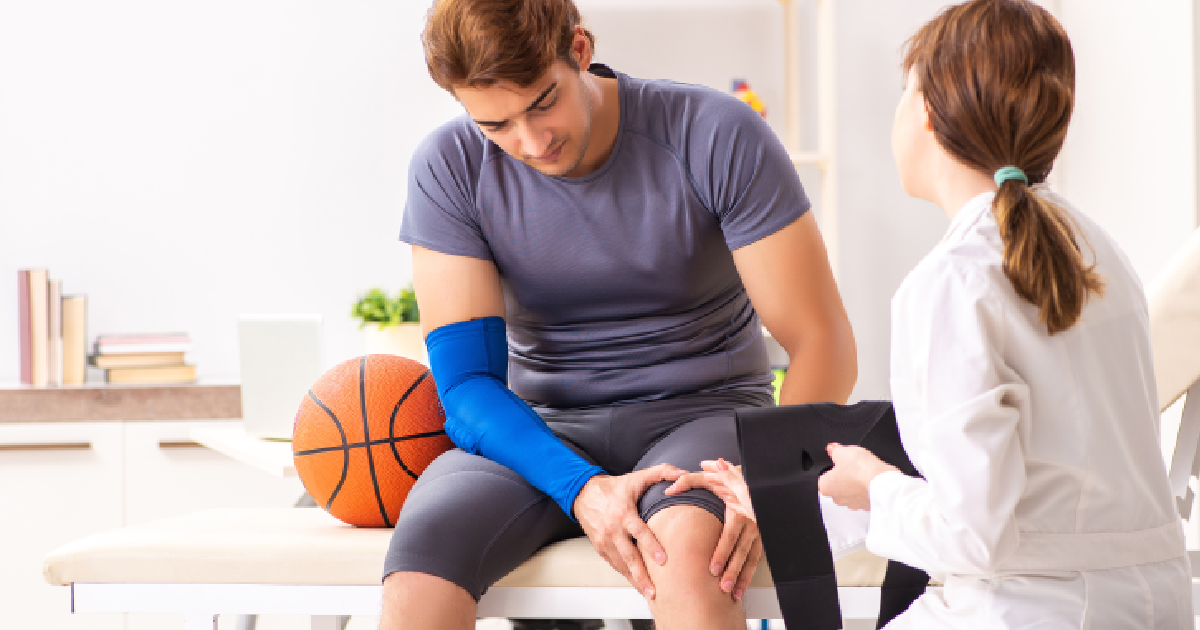
When pain or loss of function is already present, sports injury treatment becomes an essential part of the process. This may involve hands-on therapies, exercise-based rehabilitation, or medical interventions that support tissue healing.
Athletes often feel more confident returning to their sport when they understand the cause of their injury and have a clear recovery roadmap.
Injury Prevention Through Movement Insight
Many people think of sports medicine only as treatment after an injury. The reality is that one of its top strengths lies in preventing problems before they occur.
Practitioners perform detailed movement evaluations that show how the body handles force, speed, and repetition. This information helps athletes improve their mechanics and reduce unnecessary strain.
A sports medicine clinic often uses tools like mobility testing, strength assessments, balance screens, and gait analysis. These assessments reveal subtle concerns that may not be obvious during regular workouts but become noticeable during intense activity.
For example, a runner may have excellent endurance but limited hip rotation. A baseball player may have strong shoulders but reduced thoracic mobility. Addressing these details can help avoid sprains, strains, and inflammation.
Athletes who participate in preventive care often find that they move more efficiently and feel less fatigued. This improved movement foundation becomes a key ingredient for long-term athletic success.
The Role of the Orthopedic Sports Doctor in Athletic Care
An orthopedic sports doctor plays an important role in diagnosing conditions that affect the musculoskeletal system. When injuries disrupt training or daily life, this specialist can evaluate the extent of tissue damage and create a treatment plan that supports healing. Their medical insight helps ensure that athletes do not push through pain that signals a more significant problem.
These physicians may recommend targeted therapies such as bracing, anti-inflammatory approaches, joint injections, or advanced regenerative options. They guide athletes through progressive recovery with the goal of returning them safely to their activities. Their understanding of sports biomechanics allows them to tailor treatment for specific movements such as sprinting, pivoting, throwing, or jumping.
The partnership between an athlete and an orthopedic specialist often results in clearer decision-making, healthier training habits, and renewed confidence during performance.
Rehabilitation That Builds Strength and Restores Movement
After an injury occurs, the body needs structured care to regain strength and coordination. Athletic injury rehabilitation gives athletes the framework they need to rebuild in a safe and gradual manner. The goal is not simply to reduce pain but to restore function and prevent future injury.
Rehabilitation usually includes therapeutic exercises, manual therapy, stretching, mobility work, balance training, and progressive strengthening. Each stage is introduced when the body is ready for more load. This approach helps athletes avoid setbacks and encourages steady improvement.
When combined with Physiotherapy for athletes, rehabilitation becomes even more effective. Physiotherapists offer insight into tissue healing, neuromuscular control, and motor pattern retraining. They help athletes understand how their bodies respond to movement and how to stay aligned with recovery goals. Many individuals feel that physiotherapy gives them a renewed appreciation for proper mechanics and teaches them how to move with greater intention.
Sports Performance Enhancement Through Skilled Guidance
Dedicated athletes often look for ways to refine their technique or elevate their speed, strength, endurance, and agility. Sports performance enhancement uses scientific principles to help individuals train smarter instead of harder. Specialists assess where performance gaps exist and identify the most effective methods to support improvement.
Enhancement programs may include power training, speed drills, plyometrics, stability training, posture correction, and sport-specific conditioning. Attention is also placed on recovery habits such as sleep quality, hydration, and nutrition. When the goal is an optimized function, every detail matters.
Athletes who embrace performance enhancement often discover that small adjustments can make a significant impact. More efficient movement patterns reduce wasted energy, increase precision, and improve performance in competition.
The Impact of Holistic Sports Medicine on Long-Term Performance
Athletic progress relies on more than strength alone. Healthy movement comes from coordination between the muscles, joints, and nervous system. A balanced approach that includes medical insight, therapeutic care, preventive strategies, and performance training gives athletes the best opportunity to succeed.
As individuals continue to participate in Sports medicine in Murrysville, PA, they often gain a deeper understanding of their bodies. They learn how to identify early signs of strain, how to warm up effectively, and how to recover in a way that prepares them for the next phase of training. These habits shape athletes who are resilient and capable of pushing their limits with greater confidence.
Sports Medicine in Murrysville, PA: The Role of Physique Medical Clinic
A dedicated resource for sports medicine in Murrysville, PA, is Physique Medical Clinic. Here, athletes and active individuals receive care that addresses both immediate concerns and long-term goals.
Our clinic provides musculoskeletal care, including guidance on joint pain, injury prevention, and treatment strategies to support healing. Many of our patients seek care for arthritis, tendonitis, sprains, and injuries sustained during physical activity.
Because performance requires a solid physical foundation, ongoing support from a local specialist becomes an important part of staying healthy and improving skills.
Athletes who prioritize their strength, stability, and recovery often find themselves able to progress more safely and steadily. The clinic’s approach reflects the idea that sports medicine should be accessible, supportive, and tailored to each person’s lifestyle.
Book Your Sports Injury Consultation Today!
Frequently Asked Questions
What is sports medicine?
Sports medicine focuses on preventing injuries, improving physical performance, and supporting recovery for active individuals and athletes.
How does sports medicine help improve athletic performance?
It enhances performance by refining movement patterns, strengthening the body, and supporting efficient recovery.
When should I see a sports medicine specialist?
A visit is recommended if you experience pain during activity, struggle with recurring injuries, or want guidance to optimize performance.
What treatments are commonly used in sports injury care?
Sports injury treatment often includes rehabilitation exercises, physiotherapy, joint injections, and personalized recovery plans.
How long does recovery take with sports medicine?
Recovery time varies based on the injury, although many individuals notice gradual improvement within a few weeks of consistent care.